

Latest
Story
01 October 2026
Latest: UN Montenegro Snapshots
Learn more
Story
01 September 2026
Culture in Movement: young people from Montenegro reimagine heritage through arts and culture education
Learn more
Story
22 July 2026
Montenegro lays the groundwork for future climate investments
Learn more
Latest
The Sustainable Development Goals in Montenegro
The Sustainable Development Goals are a global call to action to end poverty, protect the earth’s environment and climate, and ensure that people everywhere can enjoy peace and prosperity. These are the goals the UN is working on in Montenegro:
Story
01 October 2026
Latest: UN Montenegro Snapshots
Interested in the work of UN team on the ground?You're at the right place. Take a tour below through the review of monthly newsletters - UN Snapshots - where you can find major actions and results the UN team achieved together with partners in Montenegro. Latest... Highlights from UN's work in Montenegro in 2025 Highlights from UN's work in Montenegro in 2024 Highlights from UN's work in Montenegro in 2023 Highlights from UN's work in Montenegro in 2022 Highlights from UN's work in Montenegro in 2021
1 of 5
Publication
15 April 2026
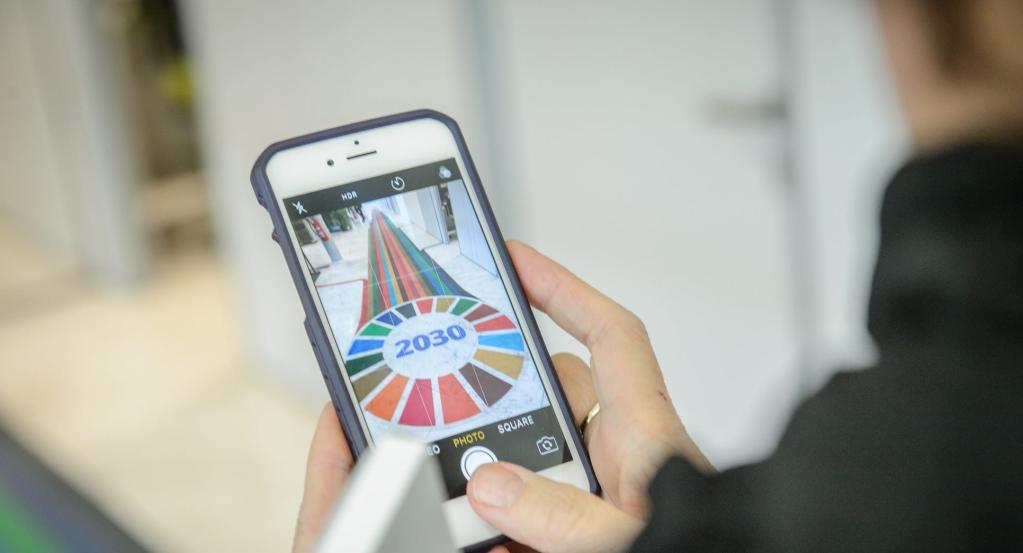
2025 UN Country Results Report - Montenegro
In 2025 the UN Country Team in Montenegro continued to support the country in three strategic areas within the current UN Sustainable Development Cooperation Framework 2023-27: Inclusive economic development and environmental sustainabilityHuman capital development, reducing vulnerability and social inclusionSocial cohesion, people-centred governance, rule of law and human rightsThe Annual Results Report summarizes key achievements of the UN Country Team in Montenegro in 2025.
1 of 5

Story
05 February 2026
Dialogue and Innovation Build the Path Toward a More Inclusive Community
The Municipality of Bar has adopted the Charter on Social Cohesion, a strategic framework that confirms the local administration’s commitment to building a community based on trust, solidarity and equal opportunities for all citizens. The Charter is the result of a participatory process jointly implemented by the Municipality of Bar and UNDP, through activities ranging from the Local Forum “Community Drives Change” to the “Innovation Lab in the Field of Social Cohesion”.The Deputy Mayor, Tanja Spičanović, stated: “This document is not procedural in nature, but is based on values that traditionally belong to our city – multiculturalism, togetherness and solidarity. Its strength lies in the fact that it reaffirms our fundamental values and provides guidance for the further development of the local community.”The Charter is already being implemented through four initiatives developed within the Innovation Lab, through which non-governmental organizations from Bar have responded to key challenges identified by fellow citizens. UNDP and the Municipality of Bar supported these initiatives with grants as the most promising for strengthening trust and inclusion:I Am Not a Tourist - a programme for the active inclusion of citizens from Russia, Ukraine and Belarus;Bridges of Togetherness - a language “speed-dating” initiative connecting Turkish newcomers and the local population;I Can Do It - an educational and development programme for young Roma women;e-Tolerance - a digital platform that supports victims of cyber violence and promotes online dialogue.According to the NGO Lea, which implements the e-Tolerance project, the motivation for applying was to contribute to building a more tolerant and connected society through the exchange of experiences. “Over the past few months, e-Tolerance has helped create a safer and more supportive online space, where dialogue and understanding are promoted instead of hate speech,” the organization stated, confirming that the goal has been achieved.The Bar initiatives were also presented at the National Dialogue on Social Cohesion, from where activists of NGO Lea sent a clear message: “Citizens must be drivers of positive change in their community and must never remain silent in the face of violence in any form, but oppose it with the power of knowledge, empathy and solidarity.”Over the past months, volunteers of NGO Kompas have collected more than 250 bags of waste from sites such as Ratac, a protected area and a symbol of the Bar coastline. They emphasized that the key to the solution lies in joint engagement: “Stopping the spread of illegal dumpsites and changing attitudes toward nature can only be achieved if we all take responsibility and act in the interest of the common good.”Parallel to field activities, within the NextGen programme, six women from Bar completed a multi-month training programme for new leaders in the field of social cohesion, including activist Sanja Smolović, who stated: “For the common good, it is enough to offer support where you can. Small things change the community, and good spreads when it comes from the heart.”By adopting the Charter, Bar establishes a sustainable model of cooperation between citizens and institutions - a tool for long-term strengthening of trust and practical guidance for local initiatives and projects.The programme “Together for the Common Good - Enhancing Citizens’ Trust in Institutions and Building Resilient Communities” is implemented by UNDP, UNICEF and UNESCO, in partnership with the Government of Montenegro, with the support of the United Nations Peacebuilding Fund (PBF).
1 of 5

Story
19 December 2025
In Montenegro, women sustain agriculture but hold little land
Women in Montenegro perform much of the country’s agricultural work yet remain largely excluded from land ownership and decision-making. They make up more than half of the workforce on family farms but just 12.9 percent of those who hold ownership or secure rights to agricultural land.This is according to the new National Gender Profile of Agriculture and Rural Livelihoods, developed by the Food and Agriculture Organization (FAO) in close partnership with the Government of Montenegro.“Without addressing persistent gender disparities, it will not be possible to achieve better food security, improve nutrition, reduce poverty, or build resilience to climate change,” said Nabil Gangi, FAO Deputy Regional Representative for Europe and Central Asia and FAO Representative in Montenegro. "This assessment sheds light on the vital but often invisible contributions of women to rural development and outlines key directions for ensuring that rural women both benefit from and contribute to agrifood systems transformation,” Ganghi said.Unequal rural realitiesDrawing on data from the country’s first agricultural census in 14 years, the report shows that women’s work in agriculture in Montenegro is often unpaid and undervalued, even though it is central to food production and household well-being.Gender inequalities are most pronounced in the northern region, where around 60 percent of residents live in rural areas. Agriculture remains the backbone of local livelihoods, but poverty levels there are almost three times higher than in other parts of the country. Women face limited access to education, health care and employment and spend long hours balancing farm work with domestic and care responsibilities, leaving little time for training or entrepreneurship.At the national level, Montenegro has made progress on gender equality, with its Gender Equality Index improving from 55.0 in 2019 to 59.3 in 2023 (out of a possible 100). However, the country remains behind the European Union average. The widest gaps persist in access to financial resources and participation in decision-making, two factors that strongly influence women’s ability to invest in and shape agrifood systems.Signs of progressDespite these challenges, gradual change is under way. Women now head around 16 percent of registered family farms, and under the 2025 Agrobudget they are entitled to 10 percent additional funding in selected investment areas such as crop and dairy production.Women’s entrepreneurship is also expanding. About one in four micro, small and medium-sized enterprises in Montenegro is owned by women, although many rural businesses remain informal. Women who took part in the Country Gender Assessment’s focus group discussions expressed strong interest in developing business, digital and marketing skills, alongside improved access to start-up capital and professional networks.Land ownership and decision-making remain unequalDespite these signs of progress, however, deep-rooted inequalities persist in land ownership and leadership. While the country’s legal framework guarantees equal property rights for women and men, cultural norms continue to favour male inheritance. Many women still renounce property in favour of male relatives, limiting their access to collateral and finance.Much of the rural economy in Montenegro depends on women’s unpaid work on family farms, yet this effort seldom appears in statistics or policymaking. The assessment urges improved sex-disaggregated data to capture women’s full contribution to rural life and the economy.Empowered women, transforming agrifood systemsMontenegro has made important progress in aligning its policies with European Union standards and with the Convention on the Elimination of All Forms of Discrimination against Women (CEDAW) and the 2030 Agenda for Sustainable Development. Still, many sectoral strategies remain gender blind, lacking the practical measures, targets and resources needed to translate legal commitments into action.“Together with United Nations agencies, development partners and other stakeholders, FAO will continue to provide technical expertise and support to the Government of Montenegro in order to address systemic barriers for empowering rural women, in alignment with national priorities and international commitments,” Gangi said.The Country Gender Assessment offers a framework for integrating gender perspectives across agriculture, rural development and climate adaptation while expanding women’s access to resources, finance and leadership roles.
As the 2026 International Year of the Woman Farmer approaches, the findings highlight the need for policies and investments to ensure that rural women have equal access to land, finance and decision-making in agrifood systems.
As the 2026 International Year of the Woman Farmer approaches, the findings highlight the need for policies and investments to ensure that rural women have equal access to land, finance and decision-making in agrifood systems.
1 of 5

Story
15 September 2025
Sailing Together for Sustainable Future: Ocean Race Finale in Montenegro
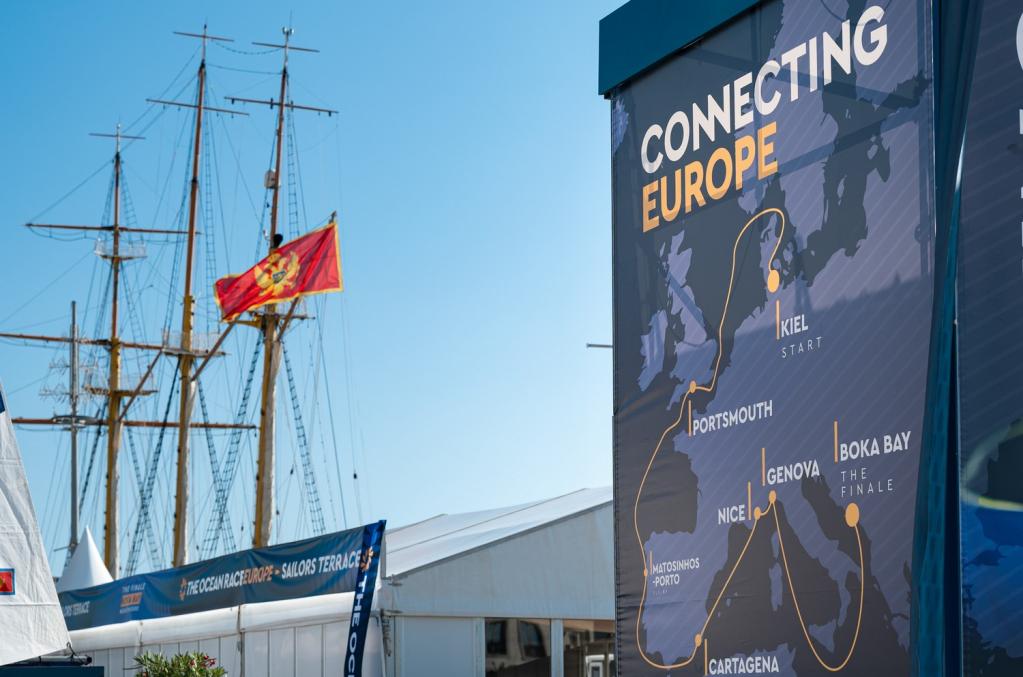
Tivat, 15 September 2025The UN team in Montenegro joined forces with the prestigious regatta Ocean Race to highlight that sustainability begins with each of us. More than a competition, the Ocean Race is a global stage for science, education, and environmental action — with sustainable development at its heart.From the Baltic to the Mediterranean, the race culminated in Tivat, Montenegro, shining a spotlight on the power of partnerships, the importance of coastal preservation, and the richness of Montenegro’s maritime heritage. At the opening of the Grand Finale, UN Resident Coordinator in Montenegro, Caroline Tissot, reminded that the Montenegrin coast is more than a beautiful landscape – it is a lifeline."Although small in size, Montenegro is rich in natural resources. Every coastal nation – large or small – has a role to play in preserving our seas and oceans. Unfortunately rising temperatures, pollution, and plastic waste are pushing marine ecosystems to the brink,” said Tissot, emphasizing that only together can we succeed. “The oceans belong to all humanity and must be protected collectively. Just as sailors work together to navigate the waves, so too must nations and communities unite to safeguard our shared lifeline – the ocean,” Tissot said. The UN team inaugurated the UN Pavilion Journey Through Sustainable Development at the Ocean Live Park, where visitors can explore an immersive installation created by Montenegrin conceptual artist Ivan Šuković.„The multimedia installation is designed not just to inform, but to also provoke reflection on our personal contribution to sustainability,“ Šuković said. Sustainable development, strong partnerships, coastal preservation, and Montenegro’s maritime heritage are at the heart of this prestigious sailing finale, which positions Tivat and the Bay of Kotor on the global nautical map.As stated by the Minister of Maritime Affairs, Filip Radulović, “the Ocean Race Europe 2025 is more than a sports regatta, it is a symbol of connecting culture, people and tradition.” The Ocean Race director Richard Brisius stressed out that for 50 years the race has been exploring new ways to connect the world. "At Ocean Race, we are firmly committed to restoring the health of the oceans. We cannot have a healthy planet without a healthy ocean. Together, we have brought to Boka not only a race, but also a mission to protect the ocean," stressed Richard Brisius, director of Ocean Race. With safeguarding the ocean at its core, the Ocean Race finale underscores Montenegro’s commitment to the Sustainable Development Goals, particularly SDG 14, showcasing how local action, partnerships, and maritime tradition can contribute to global solutions.
1 of 5
Story
01 September 2026
Culture in Movement: young people from Montenegro reimagine heritage through arts and culture education
26 August 2026 Over the past months, more than 220 students and 30 mentors from 14 elementary schools across 9 municipalities in Montenegro took part in a unique learning and creative journey. Through artistic work, heritage interpretation, and intergenerational exchange, they explored identity, memory, belonging, and cultural heritage – translating these themes into contemporary and deeply personal expressions. Implemented by UNESCO and the National Museum of Montenegro, the “Culture in Movement” project connected students across the country through a series of local events in April. The gatherings offered students a space to present their research and examine how arts education can contribute to more inclusive societies.Held in Cetinje, Pljevlja, and Ulcinj, the showcases convened young people from different communities to exchange experiences, reflect on local traditions, and recognise the richness of Montenegro’s diverse cultural landscape and heritage. Through mentorship and collaborative work, students were encouraged to critically reinterpret heritage and connect it to contemporary social realities. Learning through creativity and connectionThe project culminated in a national closing celebration in Podgorica where students had the opportunity to meet peers who had been working on similar themes in different local contexts. The event showed how culture and arts education spark empathy, curiosity, and dialogue – essential values for resilient societies. “I would particularly highlight the exceptional dedication, creativity, and energy of our students and their mentors, who brought forgotten worlds, characters, and customs back to life, reminding us how schools can become inspiring and motivating spaces when students are given the freedom to create, imagine, and actively participate in the process, instead of being passive recipients of information,” said Anđela Jakšić Stojanović, Minister of Education, Science and Innovation. The project “Culture in Movement” also encouraged young people to engage with heritage through their own creativity and experiences. As Tamara Vujović, Minister of Culture and Media noted: “At the conclusion of the project, we feel proud of everything this initiative has set in motion – not only through workshops, presentations, and joint work, but above all through encounters, new experiences, and different ways of understanding culture and cultural heritage.” Bringing young people together through cultureMarking the 130th anniversary of the National Museum of Montenegro, the initiative also spotlighted the evolving role of museums and cultural institutions as spaces for participation, creativity, and dialogue. By opening their doors to students and communities, museums became active partners in education, showing how cultural institutions can contribute to social cohesion and community engagement.“Culture cannot exist without education, just as education cannot exist without culture,” affirmed Raba Hodžić, Director of the Bureau for Education Services. For her, the project sent a strong message: learning is most effective when knowledge is connected with experience and when culture is brought closer to children and young people in ways that engage, encourage, and inspire them.Addressing participants, Siniša Šešum, Head of UNESCO Antenna in Sarajevo, emphasised the broader significance of the initiative for both Montenegro and the region. “The event is not only an opportunity to present the outstanding work of students and mentors. It is also a confirmation that culture and education together can play a key role in strengthening social cohesion, mutual understanding, and lasting peace,” he said. Keeping heritage aliveReflecting on the partnership with the National Museum of Montenegro, Šešum noted that museums can bring young people together and become active contributors to cultural life and creativity. By placing students at the centre as active creators, interpreters, and carriers of cultural knowledge, “Culture in Movement” demonstrated how creativity can transform education systems.As the project concludes, its legacy continues through new partnerships, shared experiences, and a message from its young participants: culture is not static heritage; it is a living process shaped through participation, dialogue, and creativity.This project was implemented within the framework of the Joint UN Programme “Enhancing citizens’ trust in institutions and building resilient communities” and financed by the UN Peacebuilding Fund and jointly implemented by UNESCO, UNICEF, and UNDP in cooperation with the Government of Montenegro.
1 of 5

Story
22 July 2026
Montenegro lays the groundwork for future climate investments
As Montenegro works to realize its climate ambitions and build greater resilience, strengthening institutional capacity to access international climate finance is becoming increasingly important. Building a common understanding of climate finance mechanisms across institutions is a key step in translating national priorities into high-quality investment projects.To support this process, the Food and Agriculture Organization of the United Nations (FAO), in partnership with the Ministry of Ecology, Sustainable Development and Northern Region Development, implemented the Month of climate finance learning, a unique six-week awareness-raising initiative under the Readiness Project of the Green Climate Fund (GCF).Between 26 May and 30 June 2026, the initiative brought together 95 representatives from 32 institutions across Montenegro, including government ministries, public agencies, local authorities, academia, civil society organizations, international organizations and development partners. Through six consecutive online workshops, participants explored the climate finance cycle, from the fundamentals of climate finance and the Green Climate Fund to financing modalities, project development and Direct Access Accreditation to the GCF.The learning programme followed a progressive structure, allowing participants to gradually build their understanding of climate finance. Each workshop introduced a new layer of knowledge, moving from global climate finance architecture to increasingly practical topics such as financing instruments, the GCF Readiness Programme, preparation of funding proposals and institutional accreditation.Opening the initiative, Zoran Dabetić, State Secretary at the Ministry of Ecology, Sustainable Development and Northern Region Development, highlighted the importance of strengthening institutional cooperation and developing national capacities needed to transform climate priorities into high-quality investment projects."Strengthening institutional capacities and cooperation is essential if Montenegro is to successfully translate its climate priorities into concrete investment opportunities. Building knowledge across institutions today creates stronger foundations for climate action tomorrow," Dabetić stated.Throughout the programme, FAO climate finance experts Igor Slavkoski, Martina Duncan, Jeremy Schlickenrieder and Rachel Silbert, together with Jovana Šuković, FAO National Programme Coordinator in Montenegro, guided participants through the rapidly evolving landscape of international climate finance while linking global good practices with Montenegro's national priorities.According to Jovana Šuković, the initiative represents an important first step in a broader capacity development process under the GCF Readiness Project."Building institutional capacity for climate finance is a long-term investment,” said Šuković. “Through this learning initiative, we aimed to establish a common understanding of climate finance across institutions and create a strong foundation for the more practical capacity-building activities that will follow under the GCF Readiness Project."Knowledge, partnerships and dialogueParticipant feedback demonstrated strong interest in the topics covered and confirmed the importance of continued institutional learning in this area. Participants particularly valued the combination of international expertise and national perspectives, and expressed strong interest in continuing the learning process through more practical, in-person capacity-building activities.The workshop series also provided a valuable platform for dialogue among institutions working across different sectors. By bringing together representatives involved in climate policy, agriculture, forestry, environmental protection, sustainable development and public administration, the initiative contributed to strengthening cross-sectoral cooperation and fostering a shared understanding of climate finance opportunities.Closing the workshop series, Ivana Grujić, Director General of the Directorate for Climate Change and Sustainable Development and representative of the National Designated Authority to the GCF, emphasized the strategic importance of continued institutional capacity development."Developing national capacities is one of the key prerequisites for increasing Montenegro's readiness to access international climate finance,” noted Grujić. “Initiatives such as this strengthen the knowledge, partnerships and institutional foundations needed to prepare and implement future climate investments."Building on the momentum generated through the online workshop series, FAO and the Ministry will continue supporting Montenegro through a new phase of in-person capacity-building workshops planned for autumn 2026. These workshops will focus on practical project development, institutional cooperation and strengthening national readiness to access international climate finance. More on this topic:In Montenegro, women sustain agriculture but hold little landPassing the baton of knowledge and opportunityFAO Regional Priority Programme: Advancing natural resources management, environmental protection and climate resilience
1 of 5

Story
13 July 2026
Tissot: "The success of a country is measured by the quality of life of its citizens"
Interview with the UN Resident Coordinator in Montenegro, Caroline Tissot, in daily Vijesti13 July 2026 This year marks the twentieth anniversary of Montenegro's membership in the United Nations. How do you assess the partnership between the UN and Montenegro today and what are its most important values in the coming period?Twenty years of partnership between Montenegro and the United Nations is, above all, a story of working together to make people’s lives better. In just two decades, Montenegro has advanced human-friendly development, strengthened institutions and implemented important reforms in education, healthcare, social protection, digitalization of public services and environmental protection. The United Nations team has had the privilege of being a partner in these processes, but none of these results would have been possible without a strong partnership with state institutions, local communities, civil society, international partners and, above all, citizens. It is the trust that we have built together over decades of cooperation that has enabled shared ideas to grow into concrete changes that benefit people today. These results would not have been possible without the dedication and expertise of the UN team in Montenegro, which works every day with institutions and partners to achieve common development goals.At the same time, Montenegro can also be proud of its role in the United Nations. Although small in size and with only two decades of membership, it has built a reputation as an active and respected member of the international community, which through its constructive actions contributes to the strengthening of multilateralism, the protection of human rights, sustainable development and the response to global challenges. This is confirmed by its dual membership in the UN Human Rights Council, membership in ECOSOC and active participation in numerous global processes. It is precisely the focus on national development priorities, with a strong reliance on partnerships and multilateral cooperation, that has managed to achieve such a reputation.What makes this cooperation special is mutual trust and a shared vision for the future. As Montenegro accelerates its path towards the European Union and enters the final phase of implementing the 2030 Agenda, I am convinced that partnership will remain our greatest asset. Because behind every reform and every indicator of success are people, their quality of life, their rights and their hope for a better future. The UN often emphasizes that Agenda 2030 and European integration are two complementary processes. What does achieving the Sustainable Development Goals specifically mean for the citizens of Montenegro and in which areas (which SDGs) is the country lagging behind today?The 2030 Agenda is much more than a list of international goals - it is a transformative development agenda that encompasses almost everything that is important for the quality of people's lives. When we talk about the Sustainable Development Goals, we are talking about quality education for every child, accessible health care, decent jobs, equal opportunities for women and men, a cleaner environment, effective institutions and a society in which no one is left behind. That is why the 2030 Agenda and European integration are two complementary processes - both leading to the same goal: a better life for citizens, greater protection of human rights and freedoms, and stronger institutions.Progress is visible in many areas, but development is not uniform. Challenges remain in reducing inequality, improving the quality of education, gender equality, protecting the environment and climate resilience, as well as strengthening institutions and citizens' trust. None of these challenges can be seen in isolation, as they are all interconnected.Montenegro has a clear goal of becoming a member of the European Union by 2028, as well as its own Sustainable Development Strategy by 2030. The UN team is supporting the country in achieving these national development priorities. In the period ahead, success will not be measured by the number of strategies adopted or indicators met, but by whether the people of Montenegro live better lives, have more opportunities and have more confidence in the future of their country.Montenegro has a large number of strategies and reform plans. What are the biggest challenges in their implementation and what steps would you recommend to more effectively translate development policies into concrete benefits for citizens?Strategies and reform plans are important because they help define a common direction for development, set priorities and coordinate the work of different institutions. However, experience shows that the biggest challenge is not their development, but their consistent implementation and monitoring of results. This is not specific to Montenegro - many countries face this.For development policies to bring concrete benefits to citizens, several things are crucial: clearly defined responsibility for implementation, decision-making based on reliable data, and cooperation between institutions, so that reforms are not the responsibility of just one department, but a joint effort of the entire administration, local communities, civil society, academia, and development partners.I am encouraged that Montenegro is making efforts in this direction. With the support of the United Nations, digital tools have been developed that enable more efficient monitoring of public policies and reforms, contributing to greater transparency and better decision-making. However, for citizens, the most important thing is not how many strategies exist, but that they experience concrete changes, better quality public services, better employment opportunities, a cleaner environment and greater trust in institutions. This is the true measure of the success of any development policy. Who is at greatest risk of being left out of development in Montenegro today? Which groups remain most exposed to poverty, discrimination or social exclusion, and do existing policies sufficiently address their needs?One of the fundamental principles of the 2030 Agenda is that no one should be left behind in development. This means that we should always ask ourselves who has the most difficulty in accessing quality education, healthcare, employment and other public services, and how we can remove these barriers.In Montenegro, there are still marked differences between north and south, urban and rural areas, and demographic changes are further exacerbating some of these challenges. Older people in less developed areas, young people who have difficulty finding their first job and are considering leaving, people with disabilities, members of the Roma and Egyptian communities, as well as migrants and refugees, are still among those most likely to face poverty or social exclusion.Montenegro is developing policies to address these challenges, and positive developments are already visible. Their long-term success, however, will depend on how well they are tailored to the real needs of people and equally accessible to all. This includes quality public services, stronger local communities, the active participation of civil society organizations that understand the needs of different population groups, and decision-making based on reliable data. Development only makes sense if it reaches every person and every community, regardless of where they live or what their life circumstances are.Despite a developed legislative framework, violence against women remains a serious problem, while women are still not equally represented in decision-making positions. How much is gender equality in Montenegro today real, and how much is still formal?Montenegro has made important strides in recent years in improving the legislative and institutional framework for gender equality. This is a good foundation, but we know that laws alone are not enough. True equality only exists when women can live free from violence, have equal opportunities for employment and advancement, and participate equally in decision-making.Research shows that every second woman in Montenegro has experienced some form of violence after the age of 15, while the gender equality index is still below the European Union average. Women in Montenegro are still underrepresented in the highest positions in politics, the economy and other areas of decision-making. This clearly shows that there is still a gap between the law and its implementation, but also between formal equality and the everyday experience of many women.Gender equality is not only a human rights issue, it is also an issue of economic and social development. Montenegro today faces the paradox that the economy in many sectors lacks a workforce, while many women continue to bear a disproportionately large burden of caring for the family and household, which often limits their opportunities in the labor market. Therefore, in addition to good laws, changing social norms and stereotypes, a more equal division of family responsibilities, greater participation of women in decision-making and their economic empowerment are equally important. The essence of gender equality is that every woman has the freedom to make her own life choices, whether she chooses a career, a family or both - without obstacles and discrimination. When women have equal opportunities to work, advance, start businesses and participate in shaping policies, everyone benefits, families, communities and the economy as a whole.What are the biggest challenges of the health system in Montenegro from the UN perspective, access to services, prevention, mental health, aging population or lack of staff? Does Montenegro invest enough in disease prevention, or does the system mainly deal with the consequences?The healthcare system in Montenegro, like those in most European countries, faces simultaneous challenges: an aging population, a growing burden of chronic non-communicable diseases, the need to strengthen mental health, and a shortage of healthcare workers. These are complex challenges that require long-term solutions and ongoing investments.I believe that one of the most important priorities is to strengthen prevention. The majority of diseases that currently burden the health system can be largely prevented or postponed through healthier lifestyles, early diagnosis and stronger primary health care. At the same time, mental health must become an integral part of health care, especially when it comes to children and young people. Non-communicable diseases today cause the majority of premature deaths and represent the greatest burden on the health system.Montenegro is already taking important steps in this direction through health system reforms and strengthening digital solutions, but success will depend on how much we view health as a shared responsibility of the entire society, not just the health sector. The best health system is not the one that best treats disease, but the one that helps people stay healthy for as long as possible.Montenegro presents itself as an ecological state. To what extent has this vision been realized today and what are the biggest challenges for sustainable development - from climate change and waste management to water and spatial protection?The fact that Montenegro declared itself an ecological state more than three decades ago still represents a strong and inspiring vision today. There are few countries that have incorporated environmental protection into their identity in this way, and it is very important that this vision is confirmed by concrete actions. Over the past year, I have personally witnessed how attached people in Montenegro are to the nature and cultural heritage of their country and how much they perceive them as part of their own identity.Climate change is already affecting everyday life through more frequent droughts, floods, heat waves and risks to biodiversity. At the same time, waste management, water protection, air quality, planned land use and conservation of natural resources remain among the greatest development challenges. These are also areas that will be among Montenegro's key priorities on its path to the European Union.The good news is that environmental protection and economic development are not conflicting goals. On the contrary, a green transition can create new jobs, stimulate innovation, improve the quality of life and further strengthen Montenegro's tourism competitiveness. This vision can only be realized with the awareness that nature is not only our greatest asset, but also a shared responsibility towards future generations. Montenegro is facing an exodus of young people, but at the same time it is becoming a country where new residents and migrants are coming in. How do these changes affect the country's development and how important is it to build an inclusive society?Human mobility is a global phenomenon today, and Montenegro is no exception. The departure of young people for education or work poses a challenge, especially when the country loses the knowledge and skills it needs for development. At the same time, Montenegro is becoming an increasingly attractive destination for people who want to live and work here, but also a country that, in accordance with international obligations, provides protection to people forced to leave their homes. Such changes change society, but they can also be a new development opportunity if they are well managed.That is why it is important to build an inclusive society in which everyone has the opportunity to contribute to the community and realize their rights and potential. This includes quality public services, access to education and the labor market, language learning, but also a sense of belonging and mutual respect. Experience shows that communities that invest in the integration of people are more resilient, successful and ready to respond to demographic and economic changes.At the same time, it is important to create conditions that will make young people want to build their future in Montenegro. This means quality education, decent jobs, opportunities for professional development and the feeling that their voice and ideas can contribute to change. A society that manages to retain its young people, while at the same time being open and inclusive towards people coming, builds stronger foundations for sustainable development.After almost a year in Montenegro, what surprised you the most positively, and what did you learn about this country beyond official reports?What perhaps surprised me most positively is the quality of life that Montenegro offers. I'm not just thinking about its extraordinary natural beauty, but also about the sense of safety, the closeness of the people, and the fact that in a relatively small space it is possible to experience so much diversity - from mountains to the sea, from dynamic cities to peaceful villages. Weekends are an opportunity for me to discover new places and at the same time take a break from the intense work rhythm.I especially appreciate that everyday life is simpler than in many other capital cities. Podgorica is a city where I often walk or cycle, and time spent in traffic does not determine the rhythm of the day. It may seem like a small thing, but it is precisely such things that significantly contribute to the quality of life.The longer I live in Montenegro, the more I am convinced that its greatest value is not only its natural resources, but also its people. I have met many people who genuinely care about their communities and invest their time, knowledge and energy every day to make them a better place to live. When I think of Montenegro, the first words that come to mind are beauty, solidarity, closeness between people and a sense of security. I think these are values that are worth nurturing as carefully as the natural resources of this country.When you return from that personal impression to your professional role, where do you see the biggest gap between Montenegro's potential and the reality in which its citizens live?It is precisely because I see Montenegro's enormous potential that the gap between possibilities and reality sometimes seems even more noticeable. This country has many advantages - natural resources, quality of life, a European perspective and people who are educated, creative and enterprising. The key will be to turn this potential into sustainable and inclusive development.This means continuing to invest in education and healthcare, but also developing an economy that will offer young people more opportunities for quality jobs and professional development. Montenegro, like many other countries, faces a paradox because it simultaneously has people who have difficulty finding work and employers who lack the appropriate workforce. This shows how important it is to better connect education with the needs of the labor market, encourage innovation, and create conditions for the development of new industries that will create quality jobs.I would also like to highlight one challenge that often remains in the shadow of other topics, and that is traffic safety. The number of fatal traffic accidents is too high and each one represents an irreparable loss. It is precisely issues like these that remind us that development is not just a matter of economics, but also of quality of life and safety.If you had to send one message to the citizens of Montenegro, not a diplomatic one but a human one, what would it be?I would like to tell you to preserve what makes Montenegro special. I believe you have heard this before, but I must say that the wealth of this country is diversity. Preserve it. Cultivate mutual trust and solidarity and do not let divisions become stronger than what unites you. Over the past year, I have met many people who are ready to help each other and sincerely believe that they can make their community better. This is a value that cannot be measured by statistics, but it can be felt.Take care of the nature that surrounds you. You live in one of the most beautiful countries in Europe and that is not only a privilege, but also a responsibility. What we lose once is difficult to get back, so it is important to think long-term and about what kind of Montenegro we leave for generations to come.And finally, believe in the potential of your country. Montenegro may be small, but it has everything it needs to be successful: people, knowledge, natural resources and a clear European perspective. That is why I am very optimistic about Montenegro.Investing in children - investing in the countryWhat are the biggest challenges for children and youth in Montenegro today? Are the education system and investments in mental health keeping up with the needs of generations growing up in a completely different world?Today's children and young people are growing up in a world that is changing faster than ever. In addition to the knowledge they acquire in school, they are expected to develop resilience, critical thinking, digital skills and the ability to cope with the pressures of social media, uncertainty and rapid social change. Therefore, education is not just about transferring knowledge, but also about preparing for life.Important strides have been made in recent years, especially when it comes to increasing the coverage of children with preschool education and reforms of the education system. At the same time, it is necessary to continue investing in the quality and inclusiveness of education, so that every child, regardless of their place of residence or family circumstances, has an equal chance to develop their potential. The mental health of children and young people also deserves special attention. More and more research shows that anxiety, stress and feelings of loneliness are becoming a serious challenge, which is why support should not be limited to the health system alone, but should include schools, families and local communities.I believe that the best investment a society can make is investing in its children. When we provide children with quality education, support and the opportunity to develop their talents, we are not only investing in their future, but also in the future of all of Montenegro.We don't need to think alike, but we need to be able to talk respectfully.How do you assess the state of public dialogue in Montenegro? To what extent do hate speech, disinformation, and narratives that deepen social divisions represent an obstacle to democracy and social cohesion, and what needs to be done to build more trust and constructive dialogue?Montenegro is no exception - like many European countries, it is facing an increase in hate speech, disinformation and narratives that deepen divisions. Research by the Institution of the Protector of Human Rights and Freedoms shows that a significant number of citizens recognize hate speech as an increasingly present problem in public space, especially on the Internet and social networks. Such trends make dialogue difficult, weaken trust between people and in institutions and can slow down processes that require broad social consensus. Therefore, cultivating a culture of dialogue is one of the key prerequisites for sustainable development.It is important that there is awareness of this challenge in Montenegro and that institutions, civil society organizations, media and international partners are making joint efforts to address it. The United Nations team, together with institutions and social actors, supports initiatives that promote media and information literacy, strengthen resilience to disinformation and encourage dialogue between communities. Through the joint program for strengthening social cohesion, we have supported local dialogue platforms, an innovation laboratory for social cohesion and activities in schools that develop empathy, mutual respect and non-violent communication.No single measure is enough. Trust is built through quality education, responsible media, open institutions and more space for dialogue between people of different views. Social cohesion does not mean that we all think the same, but that we know how to talk respectfully, accept different opinions and seek solutions together, even when we disagree.
1 of 5

Story
03 July 2026
Facing the Past Is the Only Path to Lasting Peace and Reconciliation
3 July 2026Truth, justice and remembrance are essential for lasting peace and reconciliation, and confronting the past remains the only path towards building societies where atrocities such as the Srebrenica genocide are never repeated. This was the central message of the event marking the International Day of Reflection and Commemoration of the 1995 Genocide in Srebrenica, jointly organized by the Ministry of Foreign Affairs of Montenegro and the United Nations.The event at the UN Eco House in Podgorica opened with a minute of silence in honour of the victims of the genocide.Deputy Prime Minister and Minister of Foreign Affairs Ervin Ibrahimović stressed that, more than three decades after the genocide, Srebrenica remains a lasting warning to humanity and a reminder of the responsibility to preserve truth, ensure justice and foster a culture of remembrance. “I am convinced that lasting peace in the region is possible only through confronting the painful past, establishing the truth and ensuring justice. This is a prerequisite for building resilient societies that are resistant to all forms of human rights violations,” Ibrahimović said.He underlined that the International Day of Reflection and Commemoration, established by the United Nations General Assembly in 2024, reaffirms Montenegro's commitment to peace, human dignity, international law and accountability. He also emphasized that preserving the culture of remembrance is the strongest response to historical revisionism, genocide denial, the glorification of war criminals and hate speech. United Nations Resident Coordinator in Montenegro Caroline Tissot recalled that both the International Criminal Tribunal for the former Yugoslavia and the International Court of Justice have established that genocide was committed in Srebrenica. She stressed that truth and justice are indispensable for the victims and their families, as well as for societies striving to build a peaceful future.“Today, we remember the past not only to honour the victims, but also to reaffirm our shared responsibility to build a present and future grounded in dignity, respect for human rights and the determination that such atrocities must never happen again, anywhere,” Tissot said.Participants also heard a video message from Emir Suljagić, Director of the Srebrenica Memorial Center, who underscored that "while the victims can no longer speak, it is the responsibility of present and future generations to preserve their memory and uphold the truth." The event continued with a panel discussion featuring the Ambassador of Bosnia and Herzegovina to Montenegro Branimir Jukić, the Ambassador of Germany to Montenegro Peter Felten, Montenegro's Ombudsperson Siniša Bjeković and Tea Gorjanc Prelević, Executive Director of Human Rights Action. Panelists emphasized that remembering the victims remains a shared responsibility and that truth, justice, dialogue and respect for human rights are indispensable foundations for building peaceful, inclusive and resilient societies. They stressed that confronting the past is essential for achieving genuine reconciliation and preventing future atrocities. The panel discussion was moderated by Anjet Lanting of OHCHR, Human Rights Advisor at the Office of the UN Resident Coordinator.
1 of 5

Story
01 July 2026
When Partnership Works
Acquiring new skills has transformed the future of Medeni Brijeg, the family-run rural household of Sanja Simonović Delević in northern Montenegro."Through this initiative, we learned how to present our products, how to reach customers, and how to show people that what we make is natural, local and of high quality," she says.What began as an opportunity to strengthen marketing and business skills has helped Sanja and her family reach new customers while staying true to the traditions and quality that define their work.But Sanja's story is just one of many.Across Montenegro, communities, institutions, international partners and the United Nations are turning innovative ideas into lasting change. Children are learning with digital technologies in classrooms, teachers are strengthening their digital skills, local governments are making public services faster and easier to access, students are learning to resolve conflicts peacefully through peer mediation, and rural women are growing their businesses.Different projects.Different communities.One shared ambition. A different way of workingBehind these stories is the Montenegro SDG Acceleration Fund (MAF), a unique partnership platform bringing together the Government of Montenegro, the European Union, the Governments of Switzerland, Luxembourg, Austria and Ireland, and the United Nations to accelerate progress towards the Sustainable Development Goals.Designed to pool donor resources into high-impact initiatives, the Fund was built on a simple premise: today's complex development challenges cannot be solved by any single institution acting alone. Instead, it enables government institutions, development partners and UN agencies to jointly design and deliver solutions aligned with national priorities.By the end of 2025, the Fund had mobilized USD 6.6 million from its six strategic partners, supported nine joint interventions, and brought together 10 UN agencies around a shared development agenda. More importantly, it has shown that when partners combine their resources, knowledge and experience, they can achieve results that extend far beyond individual projects.UN Resident Coordinator Caroline Tissot believes the Fund demonstrates the power of coordination."Partnership is more than working together. I is about aligning knowledge, resources and expertise behind a shared vision. That is how we create solutions that are larger, stronger and more sustainable than any one partner could achieve alone," said Tissot. From pilot ideas to national reformsPerhaps the strongest measure of success is not the number of activities implemented, but what happens after a project ends.The Fund has helped transform pilot initiatives into national reforms.Digital education laboratories introduced through the Fund have since been integrated into Montenegro's education reform and expanded by the Government to more than 100 schools. Municipal digitalization initiatives are laying the foundations for more citizen-centred public services, while work on innovation and legal reforms is strengthening institutions and supporting Montenegro's EU accession. Meanwhile, initiatives supporting rural women are opening new economic opportunities while helping shape future agricultural policies.These are not isolated success stories.They are examples of systems beginning to change. Partnership as a catalystDuring a recent field visit, representatives of the Government of Montenegro, the European Union, Austria, the Austrian Development Agency and the United Nations saw first-hand how partnership is translating into tangible results for communities across Montenegro. For Bernard Brunet, Head of Cooperation at the EU Delegation to Montenegro, the Fund demonstrates the value of the UN working as one."This is one of the biggest comparative advantages of the United Nations – the capacity to bring together the expertise of different agencies and create solutions that no single actor could deliver alone," Brunet stated.Minister of Ecology, Sustainable Development and Development of the North Damjan Ćulafić emphasized that the Fund is helping Montenegro deliver on its own development priorities."This is exactly how international support should work – by strengthening national priorities and creating opportunities that improve people's lives," said Minister Ćulafić.Austrian Ambassador Christian Steiner believes development cooperation is ultimately about people. "Today we saw how international cooperation becomes real, through families, communities and local initiatives that are building a better future," Ambassador Christian Steiner pointed out.For David Muckenhuber of the Austrian Development Agency, partnership is the Fund's greatest strength."When we combine our resources, knowledge and expertise, we can achieve far more together than any of us could achieve alone," stated Muckenhuber. Behind every project is a personDevelopment is often measured in budgets, strategies and indicators.Its true measure, however, is found elsewhere—in teachers introducing students to new digital skills, municipal employees providing faster services, young mediators helping classmates resolve conflicts peacefully, and women entrepreneurs creating new opportunities for their families.These stories show what becomes possible when institutions, donors, local communities and the United Nations work not in parallel, but in partnership.Because sustainable development is not built by one institution.Or one donor.Or one project.It is built through partnership.
1 of 5

Press Release
05 February 2026
Digitalization and Green Economy at the Heart of UN-Central Bank Dialogue
5 February 2026The UN Resident Coordinator in Montenegro, Caroline Tissot, and the Governor of the Central Bank, Irena Radović, discussed the continuation of the digital transformation of the financial system and the development of a green economy.The discussion focused on strengthening financial stability, modernizing payment systems, and continuing alignment with EU standards. Participants also exchanged views on the implementation of ESG standards, financial and gender inclusion, financial literacy, and sustainable development.The meeting concluded that digitalization and sustainability are the foundations of a modern and resilient Montenegrin economy.
1 of 5
Press Release
15 December 2025
Press release on the occasion of Human Rights Day 2025
Podgorica, 15 December 2025The role of civil society in advancing human rights, and the need for its stronger protection and empowerment, was at the heart of an event organized by the United Nations team in Montenegro to mark Human Rights Day 2025. The event, titled “Protecting Civil Society: Safe Participation to Advance Human Rights,” brought together representatives of the Government, state institutions, civil society organizations, human rights defenders, and members of the international community.Opening the event, Minister of Human and Minority Rights Fatmir Gjeka emphasized that protecting civil society and ensuring its safe participation in public life are not only Montenegro’s international obligations, but a fundamental prerequisite for building a society in which human rights are upheld in practice, not only on paper.“Montenegro must build a system in which critical voices are valued rather than suppressed, where partnerships with civil society are developed rather than simulated, and where institutions strengthen public trust through transparency and accountability,” Minister Gjeka said.UN Resident Coordinator in Montenegro, Caroline Tissot, highlighted the direct impact of civil society on people’s lives and on the country’s democratic development.“There is no true democracy without an inclusive and safe civil society. The role of civil society and human rights defenders is essential to making human rights a reality for every person,” said Tissot, reaffirming that the United Nations remains a strong partner in promoting and protecting civic activism.A provocative performance by the Prazan prostor Drama Studio powerfully illustrated the contrast between official interpretations of human rights and lived realities, highlighting various forms of human rights violations, including gender inequality, LGBTI rights violations, and violence against women and children.Protector of Human Rights and Freedoms, Siniša Bjeković, stressed the importance of close cooperation between institutions and civil society.“Civil society is, and must be, a strategic partner of the institution of the Protector of Human Rights and Freedoms. The success of our institution is to a great extent the result of the contribution of civil society organizations,” Bjeković noted.Speaking on behalf of the European Union Delegation to Montenegro, Friederike Wünschmann, Human Rights and Rule of Law Policy Officer, underlined that, while Montenegro benefits from a dynamic civil society, the environment in which civil society organizations operate remains sensitive.“Safeguarding civic space means ensuring genuine participation in policymaking, transparent public funding, and protection from intimidation and undue pressure,” Wünschmann emphasized.The programme featured two panel discussions. The first panel named “Civil society participation in public life” examined existing mechanisms and challenges related to the involvement of civil society organizations in policymaking and public decision-making processes. Discussion offered specific perspectives, experiences and recommendations of panellists including Minister for Regional Investment Development & Cooperation Ernad Suljević, Petar Knežević from NGO Centre for the Development of Non-Governmental Organizations, Jelena Gluščević, Director of the Centre for Children’s Rights, Dragana Božović from NGO Nova žena, Velida Hodžić from NGO IKRE, and Vladimir Perazić, National Youth Network.The second panel, “Safe space for civil society,” focused on security, freedom of action, and the protection of human rights defenders, as well as the responsibility of institutions to ensure an enabling environment for civil society to operate. This panel featured exchange of views and recommendations by Siniša Bjeković, Protector of Human Rights and Freedoms, Tea Gorjanc Prelević from NGO Human Rights Action, environmental activist Vuk Vujisić, Radomir Kracković from Montenegro Media Union and Anjet Lanting, UN Human Rights Adviser.Through dialogue, exchange of experiences, and the presentation of good practices, participants explored opportunities to further strengthen cooperation between institutions and civil society, while also gaining deeper insight into the current state of civil society in Montenegro. Particular attention was given to recommendations issued by UN human rights mechanisms. In March 2025, the UN Human Rights Committee recommended that Montenegro investigate attacks against civil society organizations and strengthen public participation mechanisms. These recommendations build on the conclusions of the Committee on the Elimination of Discrimination against Women (CEDAW) from 2024, as well as recommendations made by UN Member States during Montenegro’s Universal Periodic Review in 2023.Human Rights Day is observed annually on 10 December, marking the adoption of the Universal Declaration of Human Rights by the UN General Assembly in 1948, a landmark document that laid the foundation for the modern international human rights system worldwide.
1 of 5
Press Release
25 November 2025
UN press release on the launch of campaign 16 Days of Activism against Gender-Based Violence
25 November 2025Violence against women and girls, online and offline, is one of the most pervasive human rights violations of our time. It affects communities everywhere. In Europe, nearly 2,300 women and girls were murdered by an intimate partner or family member in 2023. A stark 37 million women were raped or sexually assaulted during childhood[1]. In Montenegro, one in three women has experienced sexual harassment since the age of 15[2].The impact of violence extends far beyond the individual. It weakens families, divides societies, and hinders progress. The scale of the problem demands urgent, united action. “Violence against women and girls is not inevitable. It can and must be prevented,” says Caroline Tissot, UN Resident Coordinator in Montenegro. “Ending violence against women and girls requires courage, commitment, and collaboration from everyone in society – from government institutions and justice systems to schools, tech companies, and communities. Together, we can make Montenegro a place where women and girls are safe, respected, and empowered – everywhere, every day.”This year’s 16 Days of Activism Against Gender-Based Violence campaign calls for stronger laws, better data, and a whole-of-society response to end violence in all its forms – online and offline.Jointly, we need to ensure that stronger laws will mean stronger accountability, that justice systems are survivor-centred. We need better data to understand the scope and causes of gender-based violence. Through education and culture, we must challenge harmful norms, prejudices, victim-blaming, while engage men and boys as allies. We have a duty to make sure that all women and girls – especially those most at risk, including women with disabilities, Roma and Egyptian women, LGBTQ+ women, and migrants – are fully protected and supported.Ending violence against women and girls is everyone’s responsibility. The UN calls on:Government – to allocate sufficient funding, strictly enforce laws, invest in comprehensive prevention strategies and develop prevention and protection services, including crisis centres and child-friendly models such as Barnahus.Institutions – to invest in social services, legal and law enforcement professionals, health and education workers, and specialized cybercrime units to prevent and respond swiftly to violence against women and girls. Strengthening these services ensures better justice, protection, and safe reporting channels for survivors.Tech companies – to ensure safety and accountability on their digital platforms.Men and boys – to stand up as allies, learning from an early age about healthy relationships and challenging harmful social norms.Zero tolerance means zero excuses. Only by working together can we create a future where every woman and girl lives free from violence.
[1] Adolescence in Europe Policy Brief.pdf[2] Well-being and safety of women - OSCE
[1] Adolescence in Europe Policy Brief.pdf[2] Well-being and safety of women - OSCE
1 of 5
Press Release
23 November 2025
UNICEF calls for more investments in sports for every child
Podgorica, 23 November 2025 – On the occasion of World Children’s Day, UNICEF reminds that children in Montenegro still have limited opportunities for safe and quality play, while as many as 75% of them do not meet the World Health Organization (WHO) recommendation of at least 60 minutes of daily physical activity. At the same time, 40% of schools lack an indoor sports hall, and children with disabilities face the greatest barriers in accessing sports and recreational activities.These findings were presented at an inclusive sports event held at the University Sports and Cultural Centre in Podgorica, which brought together more than 250 children and young people. The event was organized by UNICEF, in partnership with the Ministry of Sports and Youth and the Capital City, with the participation of athletes, Paralympians, representatives of Special Olympics, and numerous institutions.Fourteen-year-old Samuela Bajra and sixteen-year-old Dženan Rastoder opened the programme by reminding everyone that the right to play is just as important as the right to education and health, emphasizing that many children do not have safe and accessible spaces where they can move, train, and socialize. The young people directly asked decision-makers what institutions are doing to improve school sports and to renovate playgrounds. They asked the Minister of Sports and Youth, Dragoslav Šćekić, how he plans to strengthen sports in schools.“Our main goal is to ensure that sports facilities and activities are accessible to everyone, especially children. This is why, in the Sports Strategy, we placed a special focus on school sports, in cooperation with the Ministry of Education, Science and Innovation,” Šćekić emphasized.They asked the Acting Secretary of the Secretariat for Social Welfare of the Capital City, Stefan Vešović, what the Capital City is doing to improve the renovation and accessibility of playgrounds.“The Capital City is intensively improving sports and recreational areas by upgrading equipment, building new playgrounds, installing video surveillance, and ensuring equal investment across all city neighbourhoods. At the same time, significant attention is being paid to strengthening school sports and cooperation with the community through new sports activities for students.”The young participants also asked the UNICEF Representative to Montenegro, Michele Servadei, which programmes UNICEF is implementing to ensure that every child can enjoy their right to play and sports.“First, together with the Ministry of Sports and Youth, we helped ensure that school sports become a priority in the new Sports Development Strategy. Second, with the Ministry of Education, Science and Innovation, we are working to improve school infrastructure. And third, since 2017, UNICEF has supported Special Olympics programmes such as Young Athletes and Unified Teams, so that children with disabilities can participate in sports alongside their peers in schools. These programmes have already reached many schools across Montenegro,” Servadei explained.He added that UNICEF will continue to support Montenegro in ensuring that every child has the opportunity to enjoy their right to play and sport by strengthening school sports, improving infrastructure, and expanding programmes that include children with disabilities.According to WHO data and the 2022-2023 Report on Physical Activity of Children and Adolescents, children’s physical activity declines with age, with the steepest drop occurring between the ages of 12 and 15 – particularly among girls. Children with disabilities also remain significantly underrepresented in sports, with participation estimates ranging from 4% to 25%.More than 400 participants and visitors at the event confirmed how important safe spaces for movement, exercise, and play are for children.Regular physical activity remains one of the key protective factors for adolescent mental health. Research shows that 30-60 minutes of physical activity three to four times a week reduces anxiety by 20-30% and the risk of depression by 25%. Given that one in six adolescents shows symptoms of stress or anxiety, UNICEF emphasizes the need for increased investment in sports and play.UNICEF calls on institutions, schools, and local communities to ensure that every girl and every boy has opportunities from early childhood to exercise their right to play and sport – a right that is essential for their development and for their physical and mental wellbeing.
1 of 5
Press Release
27 October 2025
Press release on the occasion of UN Day 2025
“The UN Charter is a promise to humanity,” said UN Resident Coordinator in Montenegro Caroline Tissot on the occasion of marking the 80th anniversary of United Nations hosted by the Deputy Prime Minister for International Relations and Minister of Foreign Affairs Ervin Ibrahimović. “For eighty years the United Nations has been a beacon of hope, support and dignity for millions of people around the world. Today, in a time of increasing uncertainty, the Charter remains our compass – guiding us toward cooperation, respect and solidarity,” Tiso said. She stressed the UN’s strong commitment to modernization so that it is ready to respond to the challenges of the 21st century. Tiso thanked Montenegro for its commitment to multilateralism and the long-standing partnership, emphasizing that “the UN remains a reliable ally to the citizens of Montenegro in building a sustainable future.”The Minister of Foreign Affairs, Ervin Ibrahimović said that programmes and funds of the United Nations are an indispensable partner in fulfilling Montenegro’s ambitious foreign-policy agenda, adding that a strong multilateral system is not a matter of choice, but of necessity.“For small states, a strong and effective multilateral system, underpinned by respect for the UN Charter and international law, is not a matter of choice but a necessity in order to preserve equality and sovereignty,” Ibrahimović stated.Ibrahimović reminded that Montenegro and the UN system have built a firm partnership. “We have fully aligned our programme cooperation with our developmental and reform priorities,” Ibrahimović said.He said that Montenegro will remain committed to the UN’s vision as a global forum of peace, solidarity and justice. Speaking about contemporary global challenges, Ibrahimović emphasized that today the world is marked by dynamic geopolitical changes, complex challenges and growing interdependence, and in these circumstances the role and relevance of the UN stand out. He said that the UN, relying on its founding mission of preserving peace, security and cooperation, has confirmed that the common good is achievable when there is collective will and responsibility.
1 of 5
Latest Resources
1 / 11


Resources
15 January 2024
1 / 11