
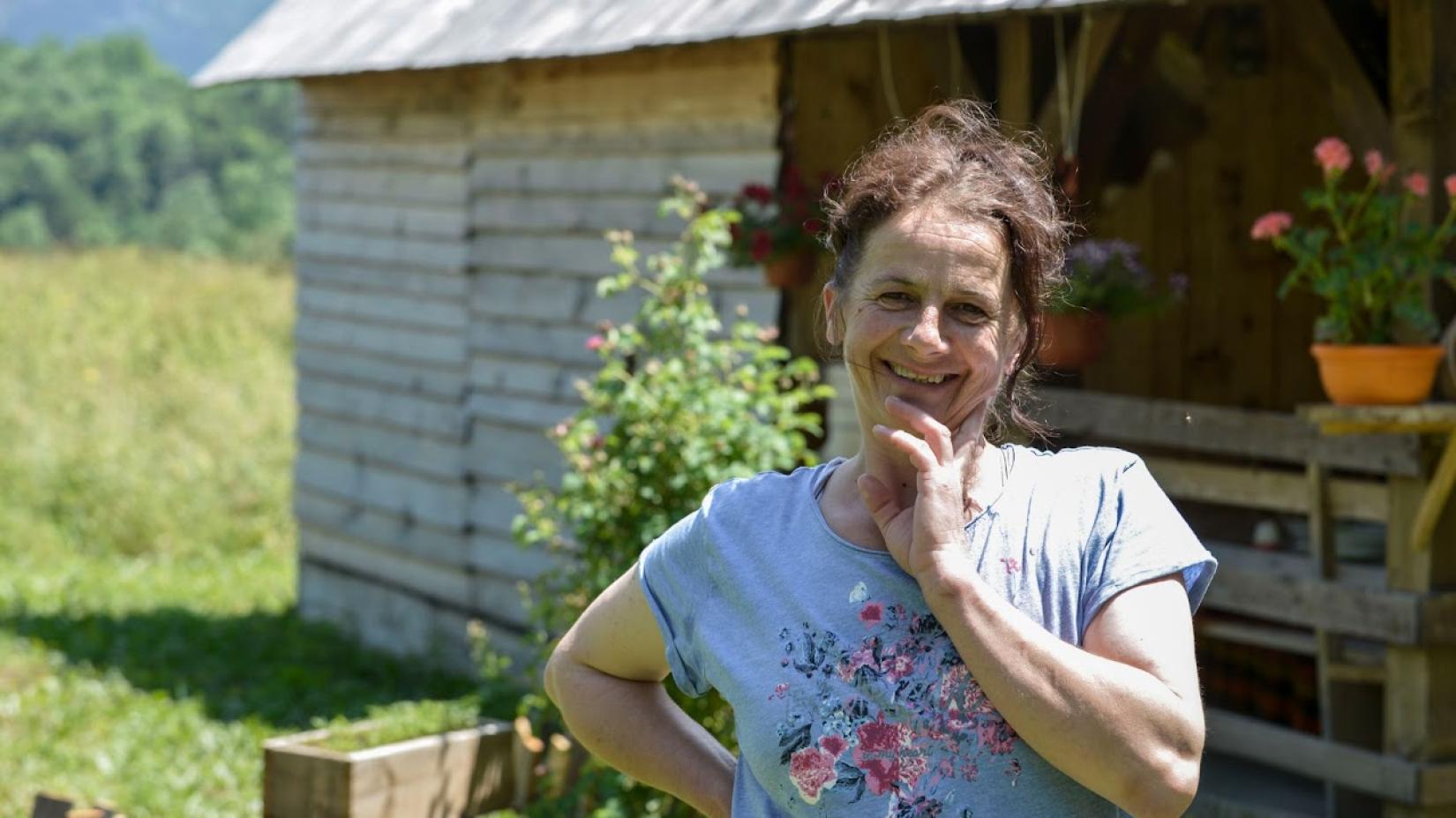
EmpowHER Montenegro: Fostering Inclusive Rural Development
| Project title | EmpowHER Montenegro: Fostering Inclusive Rural Development |
| Participating agencies | UNDP, FAO |
| Lead Agency | UNDP |
| Project manager | Maša Vučinić, UNDP |
| Timeframe | 1 April 2024 – 31 October 2025 |
| Budget | 299,999 USD |
Area of intervention
The project focuses on supporting rural women in Montenegro’s underdeveloped northern municipalities of Berane, Bijelo Polje, and Plav. The intervention aims to empower women-led micro, small, and medium-sized enterprises (MSMEs) in agriculture and rural development, enhancing their capacity to access both national and international funding opportunities. Through targeted capacity-building activities, the project prepares rural women entrepreneurs to meet eligibility criteria for the IPARD III support funds and national Agrobudget measures, fostering long-term economic empowerment and resilience in the agricultural sector.
Partners
-
Ministry of Agriculture;
-
Forestry and Water Management;
-
Ministry of Economic Development;
-
Ministry of Human and Minority Rights;
-
Municipality Berane;
-
Municipality Bijelo Polje;
-
Municipality Plav.
Key objectives
The key objectives of the intervention aim to foster private sector growth by promoting women-led rural MSMEs, contributing to economic transformation in underdeveloped regions through innovative practices in agriculture and rural development. The project seeks to generate sustainable, decent employment opportunities for rural women, enhancing their economic independence. Additionally, it focuses on building institutional capacities to implement inclusive, gender-responsive policies that improve productivity and competitiveness. Strengthening policy frameworks that ensure equal access to economic resources and opportunities for women, including national Agrobudget measures and IPARD III support, is a key goal of the intervention.
Major expected results
The expected results of the project include three major outcomes.
-
First, increased knowledge and capacity of rural women through targeted research and training initiatives that empower them to actively participate in the economy and access available resources.
-
Second, strengthened advocacy efforts will promote gender-responsive national and local policies, ensuring that women's voices are better represented in policy development and implementation processes.
-
Third, improved access to financial and institutional resources for women-led rural MSMEs, enabling them to operate more efficiently in a supportive, gender-responsive environment, leading to long-term economic sustainability and growth.
Target groups
Women living in rural areas in Montenegro, municipalities and local self-governments in northern region of Montenegro, public and private sector actors, NGOs.
Implementing status
The EmpowHER project is driving meaningful change by focusing on the economic empowerment of women in rural areas, addressing both policy and practical needs. By engaging grassroots communities, local governments, and key stakeholders, the project is creating a more inclusive and supportive environment for rural women’s economic participation.
Local Impact in Key Municipalities
In municipalities such as Berane, Bijelo Polje, and Plav, local communities have seen the benefits of mentoring and networking events. These events have created platforms for women to exchange best practices, collaborate, and discuss their challenges. The insights gathered are being used to inform ongoing policy reforms, with local governments fully involved in shaping solutions. This collaboration is bridging the gap between citizens and authorities, ensuring that rural women’s voices are heard and addressed at the local level.
Supporting Women Entrepreneurs
In rural areas, where opportunities for women entrepreneurs can be limited, the project has helped women expand their businesses by providing access to workshops on circular economy, business development, and green solutions. Through certifications like Green Destinations and Good Travel Seal, women are gaining valuable skills that enhance their businesses while promoting sustainability. These resources and mentorship are helping women not only grow their businesses but also improve their local economies.
Highlighting Rural Women’s Voices
Often overlooked in mainstream discussions, the voices of rural women are now being amplified. A key milestone was the feature of a rural woman in Top Women’s Business Magazine 2024, which highlighted a participant from the mentoring program. This visibility is an important step in recognizing and valuing the contributions of rural women. Moving forward, the project will create a comprehensive socio-economic profile of rural women, which will help shape policies and raise national awareness about the challenges they face.
Strengthening Local Governance
Local governments have been actively engaged in improving services for rural women, strengthening their capacity to support women’s economic empowerment. Practical tools and policy enhancements are being put in place to ensure that women continue to benefit from these services long after the project concludes. These efforts are laying the groundwork for long-term change in how local governments support women’s economic growth and independence.
Building Strong Partnerships
The success of the EmpowHER project is rooted in strategic partnerships that span multiple sectors. Collaboration between local governments, NGOs, and UN agencies has been key to driving impactful results. One highlight was the International Day of Rural Women event in October, where national and local government representatives, experts, rural women, and partner organizations gathered to reaffirm their commitment to empowering women in rural areas and strengthening partnerships for sustained progress.
Contribution to EU Accession
The project aligns with Montenegro's commitments to the Paris Agreement and its EU accession process, promoting green and circular economies in line with the EU’s focus on sustainable development and environmental protection. By empowering rural women and fostering alternative economic sectors, the project advances gender equality, social inclusion, and economic growth, essential components for EU accession. It emphasizes skills development and innovation, contributing to a competitive modern economy while addressing key challenges identified in the EU Gender Action Plan III, such as improving women's access to decent work, financial services, and entrepreneurship opportunities. The project also supports the European Green Deal’s principles by promoting sustainable practices in agriculture and rural tourism, helping reduce greenhouse gas emissions and encouraging environmentally friendly growth. In alignment with the Green Agenda for the Western Balkans, the project targets circular economy practices and sustainable food systems, offering rural areas alternative economic opportunities to adapt to the impacts of climate change.
Project brief description
The UN Joint Programme targets rural women in northern Montenegro, aiming to boost their business development, green innovation knowledge, and access to financing. It focuses on empowering women in Berane, Bijelo Polje, and Plav through capacity-building in green agriculture and rural tourism, promoting sustainable economic growth. The project uses data from the Country Gender Assessment and applies principles like human rights-based approaches and digital transformation for gender-responsive, low-carbon development.
MAF-Funded Projects:

|

|

|

|
Back