Montenegro SDG Acceleration Fund: A Year of Transformative Progress

Looking ahead, focus is to be on translating evidence into policy, institutionalizing successful models, scaling interventions and strengthening local ownership
7 April 2025
In 2024, Montenegro embarked on a journey of transformation through the Montenegro SDG Acceleration Fund (MAF), a new generation financial tool established by the UN team in the country, which seeks to pool donor funds that will be directed towards development initiatives. The Fund supported by the EU and the governments of Luxembourg, Switzerland, Montenegro, Austria and Ireland, provided catalytical support to launching of four pivotal projects aimed at inclusive economic growth, human capital development, and people-centered governance.
In the first year of implementation, the MAF-funded initiatives mobilized support of six UN agencies, national and local governments, and civil society.
EmpowHer Montenegro spearheaded gender-responsive rural transformation. The project driven by UNDP and FAO conducted Montenegro’s first gender-mainstreamed Agricultural Census, revealing critical data on rural women's contributions to agriculture. Over 60 rural women received entrepreneurship training and mentorship, while 300 participated in business networking events. These efforts have significantly boosted their economic visibility and influence in regional development.
"EmpowHer Montenegro has given rural women the tools and visibility they need to transform their economic futures," said Maša Vučinić, Project Coordinator of lead agency UNDP.

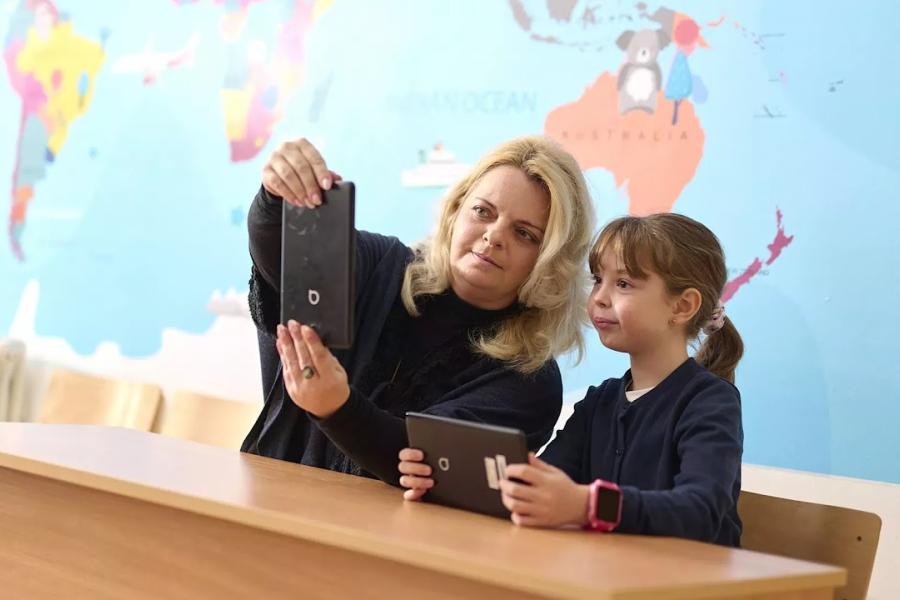
Digital, Inclusive, and Transformative Education jointly implemented by UNICEF, UNESCO, and ILO, achieved significant milestones in scaling digital education nationwide. The initiative empowered over 6,000 students and 580 teachers with essential digital skills. EdTech Hubs were established in 12 schools across northern municipalities, setting a national model now poised for expansion to 100 schools.
“This initiative supports Montenegro’s Education Digitalization Strategy, by accelerating progress in leveraging technology to address the learning crisis. Digital education is not about tools and gadgets; it is about introducing technology to enhance the quality and relevance of education, as well as to reduce disparities and create equal opportunities for all students," said Maja Kovačević from UNICEF which is the lead agency on this initiative.
Digital Transformation of Local Self-Governments implemented by UNOPS and ITU aims to support the further development of Montenegro’s local e-Governance system by equipping local self-governments (LSGs) with the skills, infrastructure, and systems needed to deliver modern, accessible, and citizen-centered digital services. So far, the initiative completed a comprehensive assessment of digital readiness across all 25 municipalities. This groundwork identified key challenges such as outdated infrastructure and limited human resources, paving the way for targeted further interventions during 2025. Six pilot municipalities were selected for technical support and training, ensuring that digitalization efforts are responsive to local needs.
"Digital readiness assessment is the first step towards a more transparent, efficient, and citizen-centered public administration,” said Milijana Vukotic from lead agency UNOPS.

The project Optimizing Development Coordination: Advancing Planning and Reporting through Information System Enhancement implemented by UNDP, has helped enhance the Integrated Strategic Planning and Implementation (ISPI) system. Besides developing comprehensive video tutorials and user manuals and integrating graphical data representation with the Government's official website, the project assessed the need for a budgeting module and specified upgrades for outdated equipment, thereby improving overall system efficiency and user experience.
“These efforts have laid the groundwork for more effective policy coordination, while significantly enhancing data management, accessibility, and technical capacity across government institutions — ultimately fostering a culture of data-driven governance, transparency, and accountability,” said Aleksandra Kiković from UNDP.
Despite challenges – including political shifts, a cyberattack, and external shocks – the projects demonstrated resilience and adaptability. Strategic planning, proactive risk management, and strong stakeholder engagement were crucial in navigating these obstacles.
Looking ahead, the focus is to be on translating evidence into policy, institutionalizing successful models, scaling interventions, and strengthening local ownership. With continued coordination and investment, MAF-supported initiatives are well-positioned to accelerate Montenegro’s progress toward EU integration and the Sustainable Development Goals.


Written by
UN entities involved in this initiative
Goals we are supporting through this initiative